INSIGHTS
Before RDC 2026: What METAMATE Hoped to Discuss
A pre-conference note on the production and partnership conversations METAMATE hoped to have at RDC26 in September 2026.
Read article ↗A field note from a China Roblox developer event on production energy, team execution, and why Korean Roblox studios need to compete with sharper ideas.
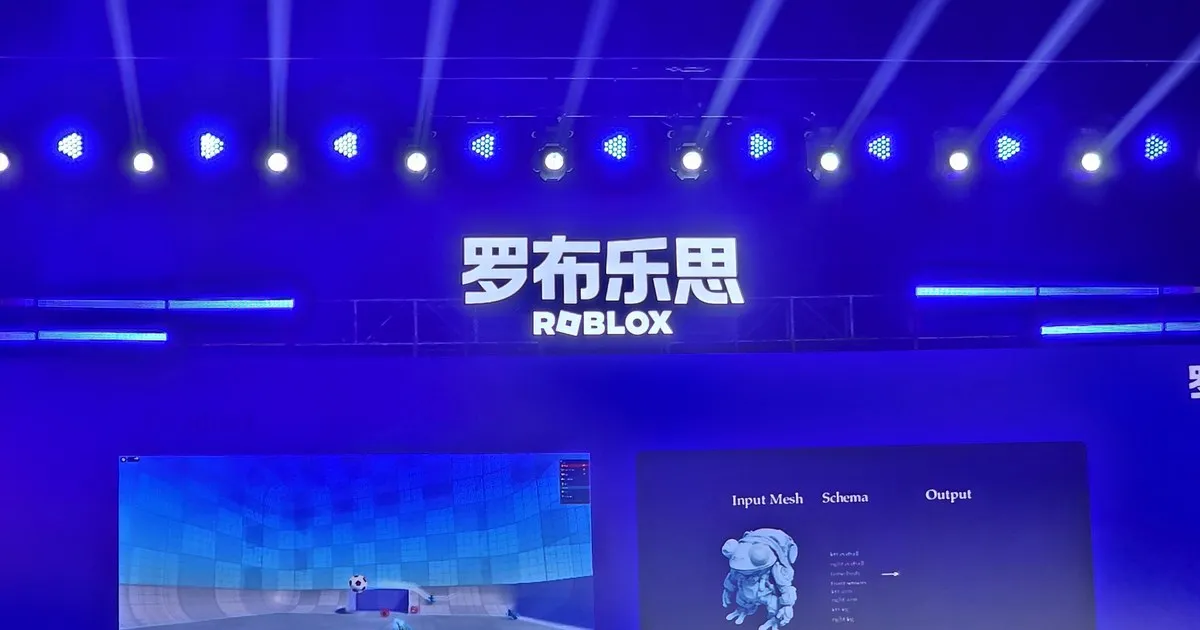
We attended the 2026 Luobu Developer Festival, a Roblox developer event in China.
This article is not a formal event recap or an official statement from the organizer. It is a field note from METAMATE on what we observed in the developer ecosystem and what it means for Korean Roblox studios.
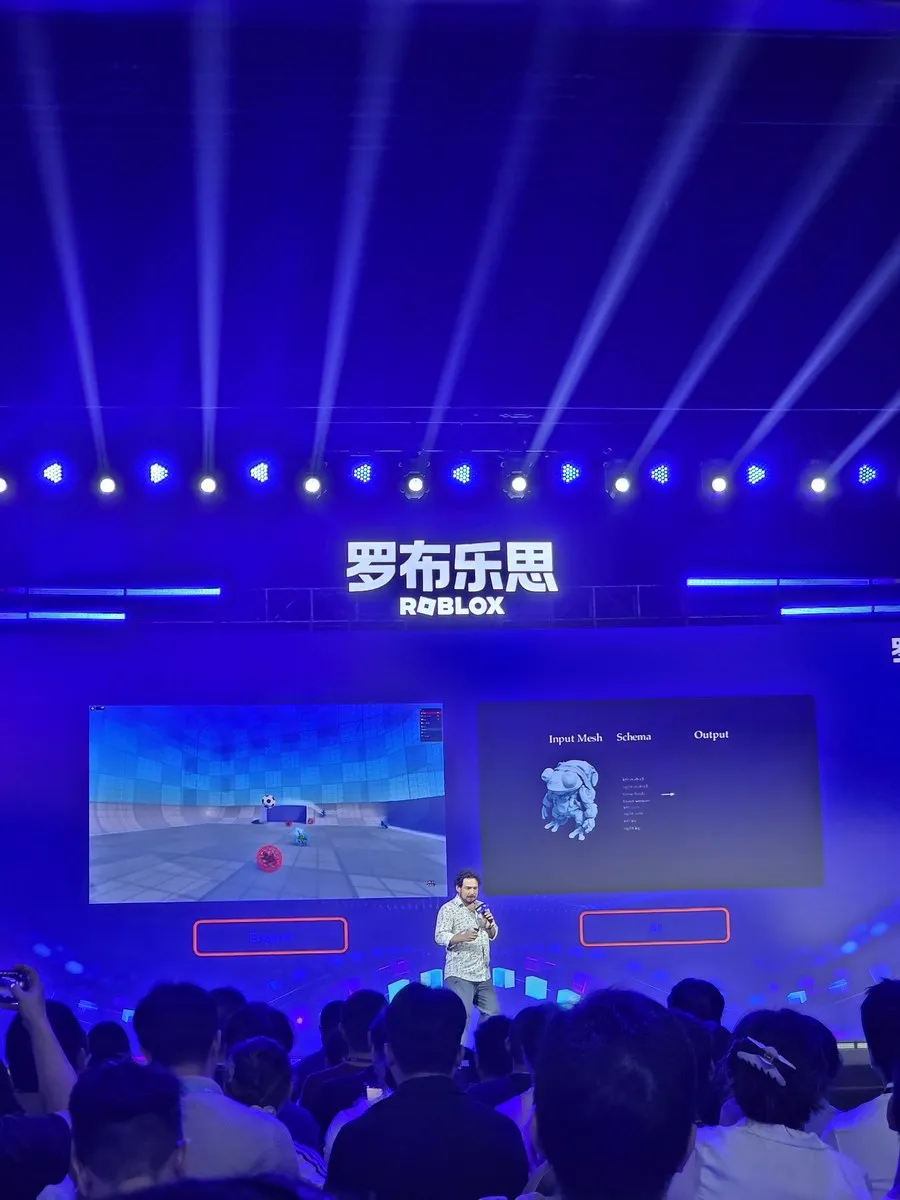
The strongest impression was the energy around production.
This was not just about the size of the venue or the number of attendees. Many developers seemed to treat Roblox not as a casual game platform, but as a real production ecosystem involving game design, IP expansion, UGC, live operations, and community growth.
In Korea, Roblox is still often seen only as a platform for younger players. At the event, however, it was being discussed as a platform for building, operating, and growing interactive experiences.
That difference matters. A Roblox project approached as "just building a map" will look very different from one designed around the first three minutes of play, repeat visits, and user behavior.
What stood out from many Chinese developer teams was execution speed and role division.
Planning, art, modeling, scripting, operations, and marketing seemed to move in parallel. That is a real advantage.
Korean studios may not always be able to compete head-to-head on team size or production volume. That means the better strategy is not simply adding more people. It is building sharper ideas and validating them faster.
Instead of starting with a massive world, teams should first verify why users enter, what they do first, and why they come back. Brand and IP elements should be remembered through gameplay, not forced exposure.
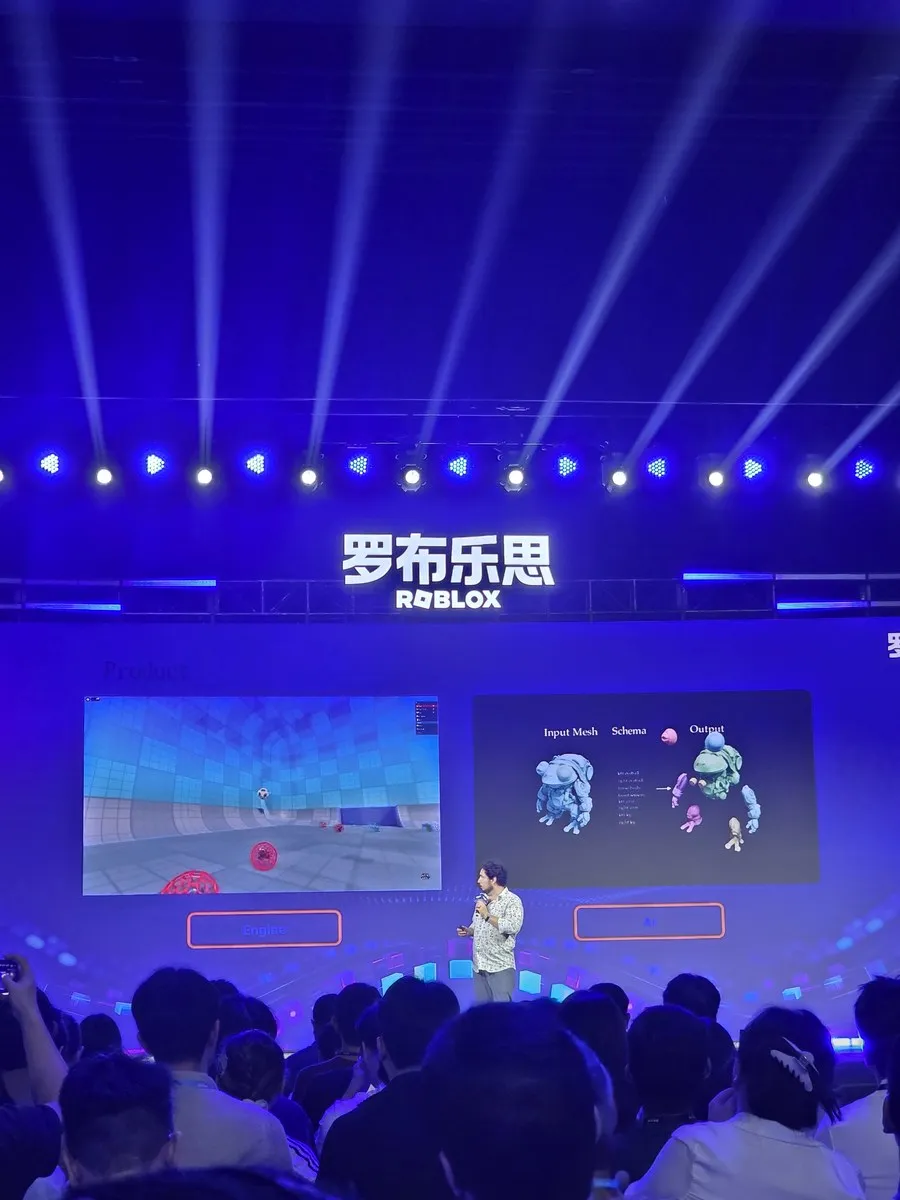
Many projects start with genre decisions: simulator, RPG, tycoon, obstacle course, and so on.
But the better first question is this: what kind of fun should the user feel?
Is it collecting, growth, playing with friends, repeated challenge, customization, or sharing? Without that answer, genre becomes only a shell.
The energy we saw in China made this clearer. Many teams are moving fast. Korean teams need to move with more precision.
Brand teams sometimes expect users to stay simply because a branded space exists in Roblox. But players stay when there is something to do.
Brand projects need a clear play structure:
Without these checks, brand exposure may look strong, but the actual experience can feel weak.
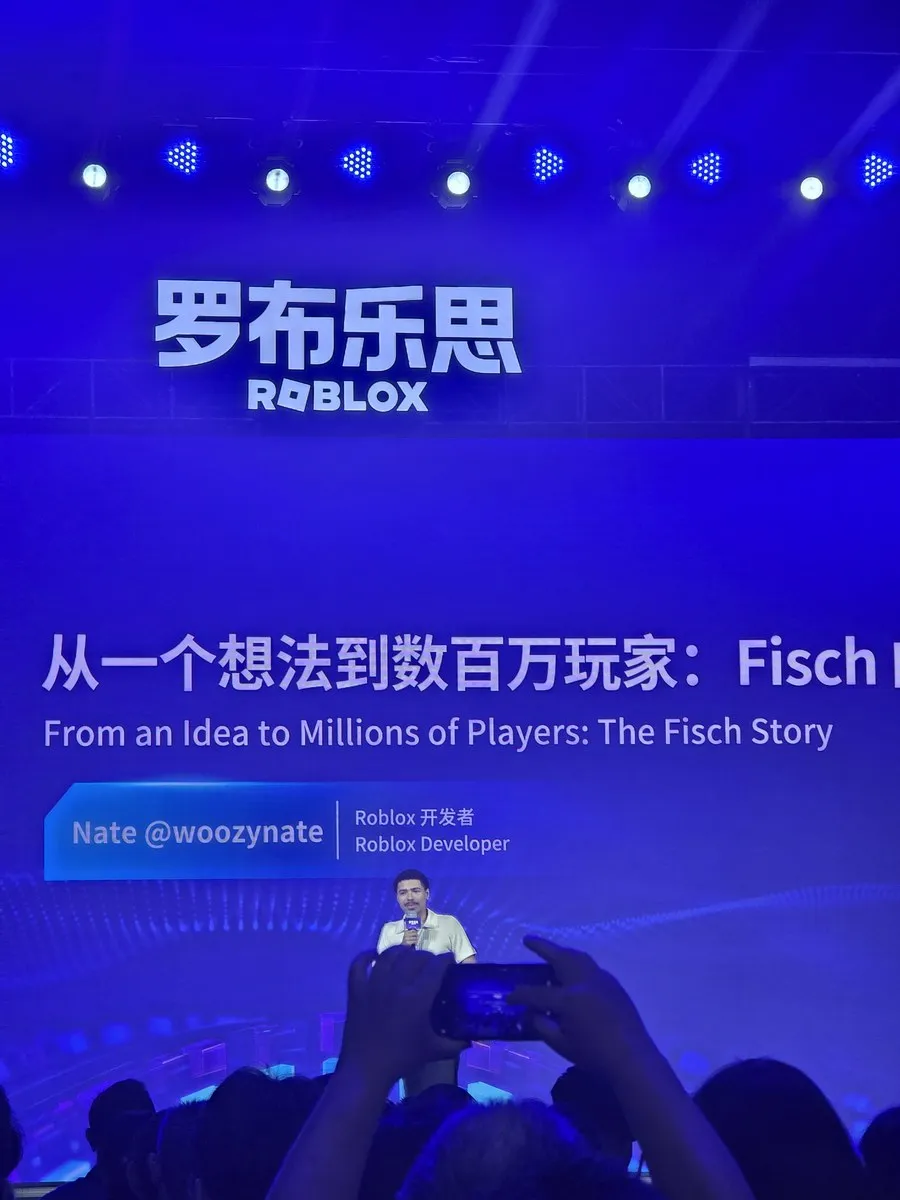
This event helped us clarify our own direction.
First, we want to help Korean brands and institutions start Roblox projects with a realistic scope. It is usually better to build a small playable loop, test the response, and then expand.
Second, we want to treat Roblox not as a promotional space, but as a playable service. Users need to move, fail, try again, and receive feedback.
Third, we want to use the strengths of the Korean market: planning density, IP interpretation, user observation, and fast improvement.
The Roblox market continues to grow, and the China developer ecosystem is already moving quickly.
For Korean Roblox studios, the answer is not simply to build bigger. The answer is to build more precisely, validate faster, and define the first fun more clearly.
For brands, IP owners, and institutions preparing Roblox projects, the first question should not be "what genre should we make?" It should be "why should users play this experience?"
Share the audience, core idea and work prepared so far. We can review the first player experience and production scope.
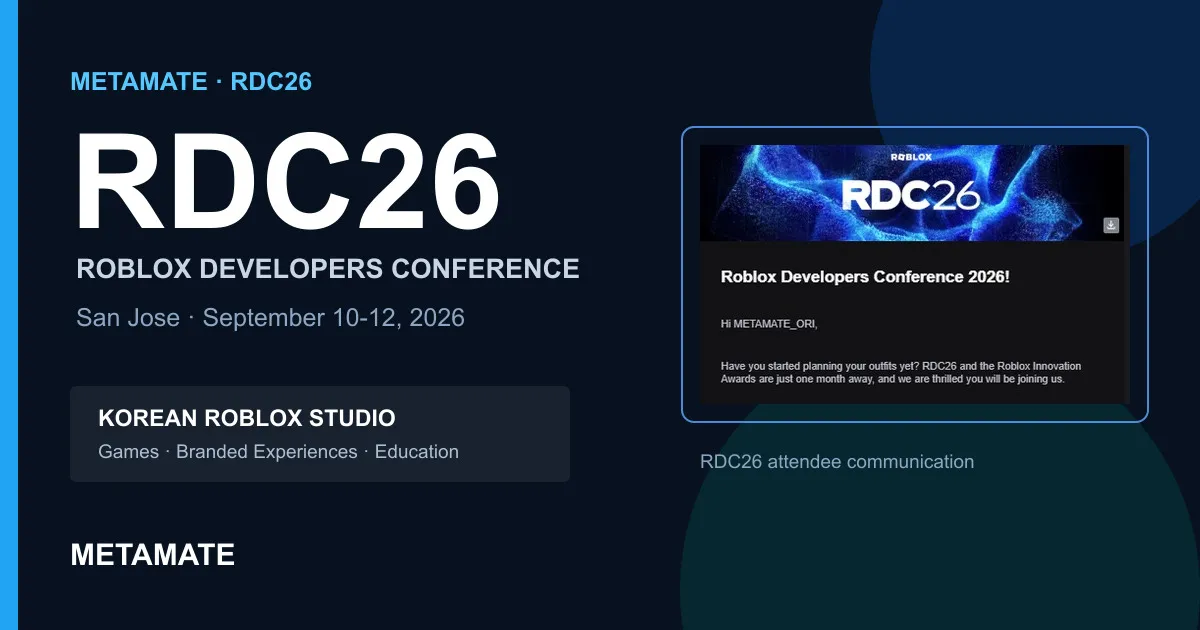
A pre-conference note on the production and partnership conversations METAMATE hoped to have at RDC26 in September 2026.
Read article ↗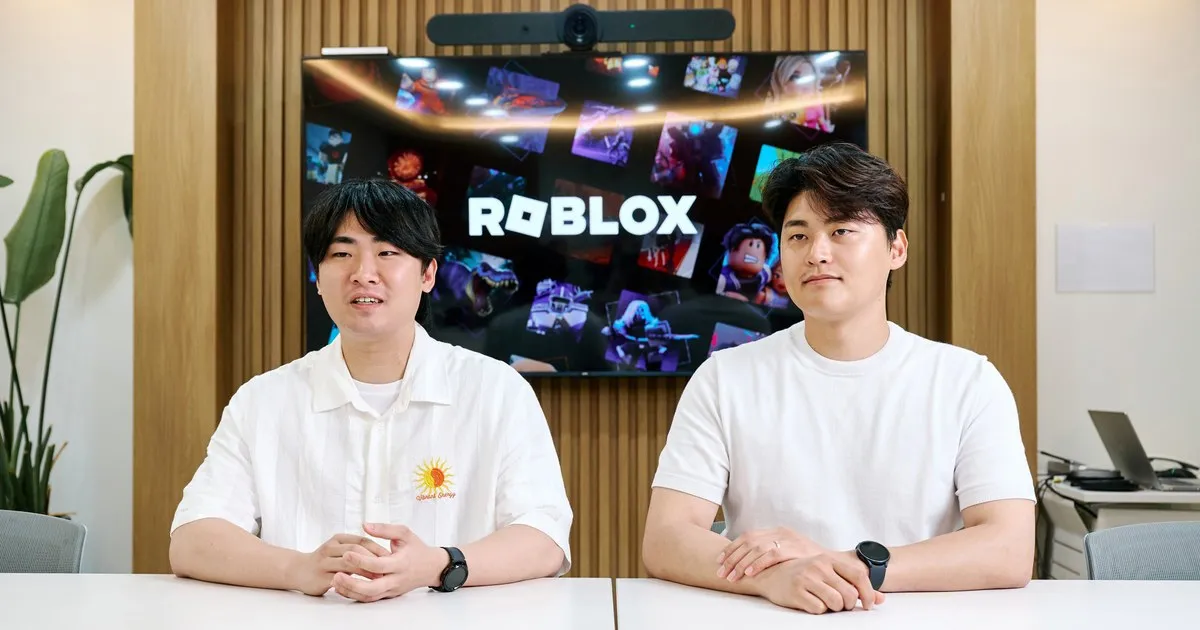
METAMATE was featured in a Digital Daily interview covering our work across Roblox education, brand collaboration, and original game production.
Read article ↗